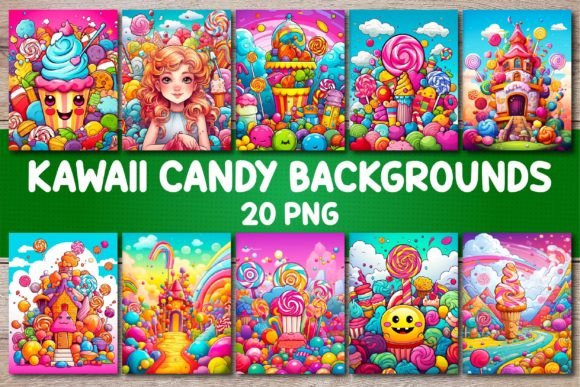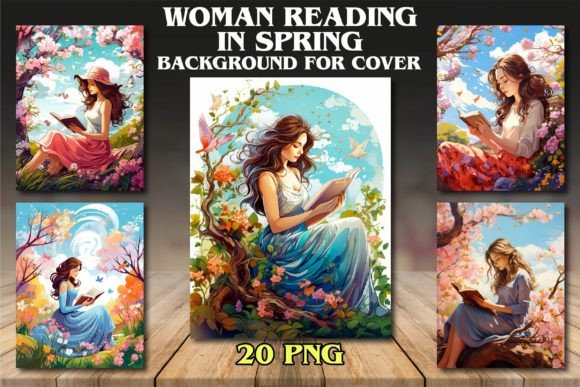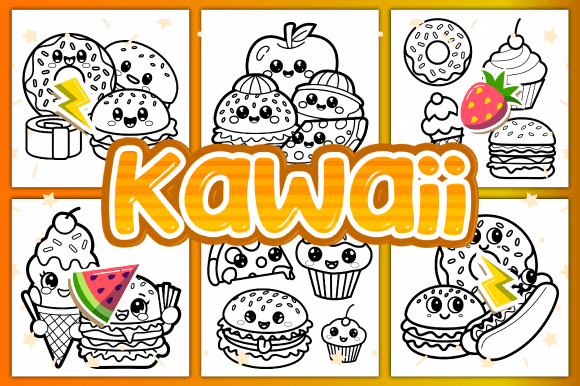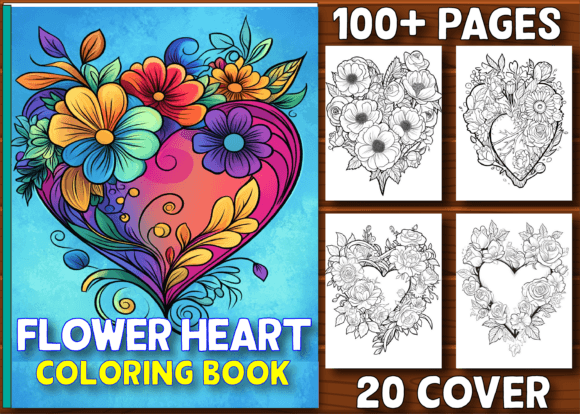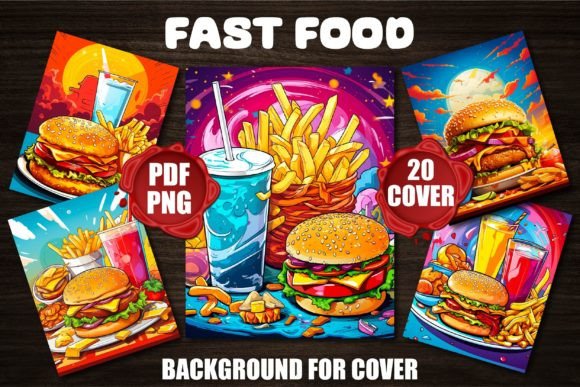
Fast Food Backgrounds for Covers
Fast food isn’t just about quick meals anymore—it’s become a visual language. Think of the bold reds and yellows of classic diner signage, the glossy sheen of a wrapped burger, the playful chaos of scattered fries or stacked milkshakes. These aren’t nostalgic throwbacks; they’re culturally resonant, instantly recognizable motifs that spark energy, humor, and approachability. That’s why Fast Food Backgrounds for Covers is gaining steady traction among creators building digital products for real-world audiences—especially those publishing on Amazon KDP or offering printable downloads.
Why Fast Food Visuals Resonate Right Now
Today’s consumers respond to authenticity, personality, and subtle irony—qualities fast food imagery delivers without effort. Unlike overly polished stock graphics, these backgrounds carry warmth, familiarity, and a touch of irreverence. They work especially well for coloring books targeting adults seeking lighthearted stress relief: imagine outlining a retro soda fountain while listening to lo-fi beats, or filling in a detailed pizza slice as part of a mindful break between Zoom calls. The aesthetic bridges generations—millennials recognize the design cues from childhood commercials, Gen Z appreciates the meme-adjacent charm, and Gen X connects with analog nostalgia.
This isn’t about promoting unhealthy habits. It’s about leveraging shared visual shorthand to create covers that stand out in crowded marketplaces. On Amazon KDP, where thumbnails appear at thumbnail size, high-contrast food elements (think ketchup swirls, crinkled paper wrappers, or chrome-plated soda fountains) draw the eye faster than abstract patterns or muted gradients.
Designed for Real Publishing Workflows
The 20-book cover package was built with practicality in mind—not just aesthetics. Each design arrives as a standalone PNG file at 300 dpi, fully transparent-background ready for layering over interior pages, adapting to different trim sizes, or integrating into Canva, Affinity Publisher, or Adobe InDesign workflows. No need to wrestle with layered PSD files or low-res JPEGs that pixelate when scaled. These are production-ready assets, tested across common KDP dimensions (6” x 9”, 8.5” x 11”, square formats) and optimized for both digital previews and physical print fidelity.
For creators juggling multiple roles—writer, formatter, marketer—time savings matter. Instead of commissioning custom cover art ($150–$400 per design) or spending hours tweaking free resources, you get cohesive, on-brand visuals that align with current search behavior. When someone searches “adult coloring book fast food theme” or “KDP coloring cover diner style,” these files match both intent and format expectations.
How These Covers Fit Modern Creative Needs
Coloring isn’t just for kids anymore—and neither are its commercial applications. Therapeutic coloring has evolved into a legitimate self-care category, supported by research on focused attention and motor engagement. But buyers don’t want clinical-looking pages. They want joy, whimsy, and gentle challenge. Fast food backgrounds deliver that balance: intricate enough to satisfy detail-oriented colorists (think crosshatched fry baskets or stippled soda cup textures), yet playful enough to lower the barrier to entry for beginners.
That duality extends beyond coloring. Educators use food-themed line art for vocabulary-building activities. Bloggers feature them in printable planners (“Fuel Your Focus” weekly trackers). Small business owners adapt them for café-branded journals or staff wellness kits. Even non-coloring projects benefit—interior page dividers, section headers, or social media banners gain cohesion when anchored by consistent background styling.
Tagging That Reflects Real User Behavior
The included keyword tags weren’t chosen at random. They mirror how actual buyers search—not just on Amazon, but across Etsy, Creative Market, and Google. Terms like “mindful coloring,” “therapeutic coloring,” and “stress relief coloring background” reflect rising interest in mental wellness tools that don’t require apps or subscriptions. Meanwhile, “KDP interior,” “digital paper,” and “printable design” speak directly to the technical needs of independent publishers who prioritize compatibility and ease-of-use.
Notice what’s missing: vague terms like “cool” or “awesome,” or overused modifiers like “premium” or “ultimate.” Instead, the tags map to functional use cases (“coloring book for adults,” “boys and girls”), audience intent (“self-care,” “creative expression”), and platform requirements (“Amazon Kindle Direct Publishing,” “high-quality coloring background”). This alignment helps listings surface for long-tail queries—exactly where conversion rates tend to be highest.
Practical Tips for Getting the Most From This Bundle
- Test thumbnails early. Upload one cover to KDP’s preview tool before finalizing your full series. Does the main food element pop at 120x180px? If not, consider adding a subtle drop shadow or adjusting contrast in your editor.
- Mix themes intentionally. Pair a playful burger cover with a more serene mindfulness title (“Chill Out & Color: A Diner-Inspired Journey”) to create cognitive contrast that intrigues browsers.
- Leverage transparency. Use the PNG’s alpha channel to overlay text or icons without losing background detail—ideal for creating matching interior headers or bonus printable pages.
- Repurpose smartly. One background can serve multiple formats: a full cover, a half-page divider, a social media post template, or even a printable sticker sheet for bullet journalers.
Not Just a Trend—A Useful Shift
Fast food visuals in creative assets aren’t riding a fleeting wave. They’re responding to deeper shifts: the normalization of mental wellness tools in everyday life, the demand for accessible creativity amid busy schedules, and the preference for human-centered design over sterile minimalism. What makes Fast Food Backgrounds for Covers useful isn’t novelty—it’s reliability. You know these designs will perform well because they meet concrete needs: visibility in search, emotional resonance with buyers, and flexibility across formats.
That reliability matters most when you’re launching your third coloring book this year or testing a new niche on KDP. You don’t need another bottleneck—you need assets that integrate smoothly, convert consistently, and leave room for your voice to shine through. These 20 covers do exactly that: they provide structure, not constraint; inspiration, not imitation.
Who Benefits Most—and How
Freelance designers use them as base layers for client projects—adding custom typography or brand colors without rebuilding from scratch. Educators adapt them for classroom handouts tied to nutrition units or pop-culture studies. Small business owners bundle them with branded merchandise (“Diner Dreams Coloring Kit + Reusable Tote”). And solopreneurs building passive income streams appreciate how quickly a single bundle can support multiple listings—each cover opening a new path to discoverability.
None of this requires graphic design expertise. Because each file is pre-formatted, resolution-optimized, and tagged with audience-aligned keywords, the barrier to launch drops significantly. You focus on your message, your audience, and your next step—not file compression ratios or bleed settings.
In a marketplace where attention is scarce and trust is earned slowly, clarity, consistency, and cultural fluency go further than complexity ever could. Fast Food Backgrounds for Covers offers all three—without asking you to compromise on quality, usability, or authenticity.